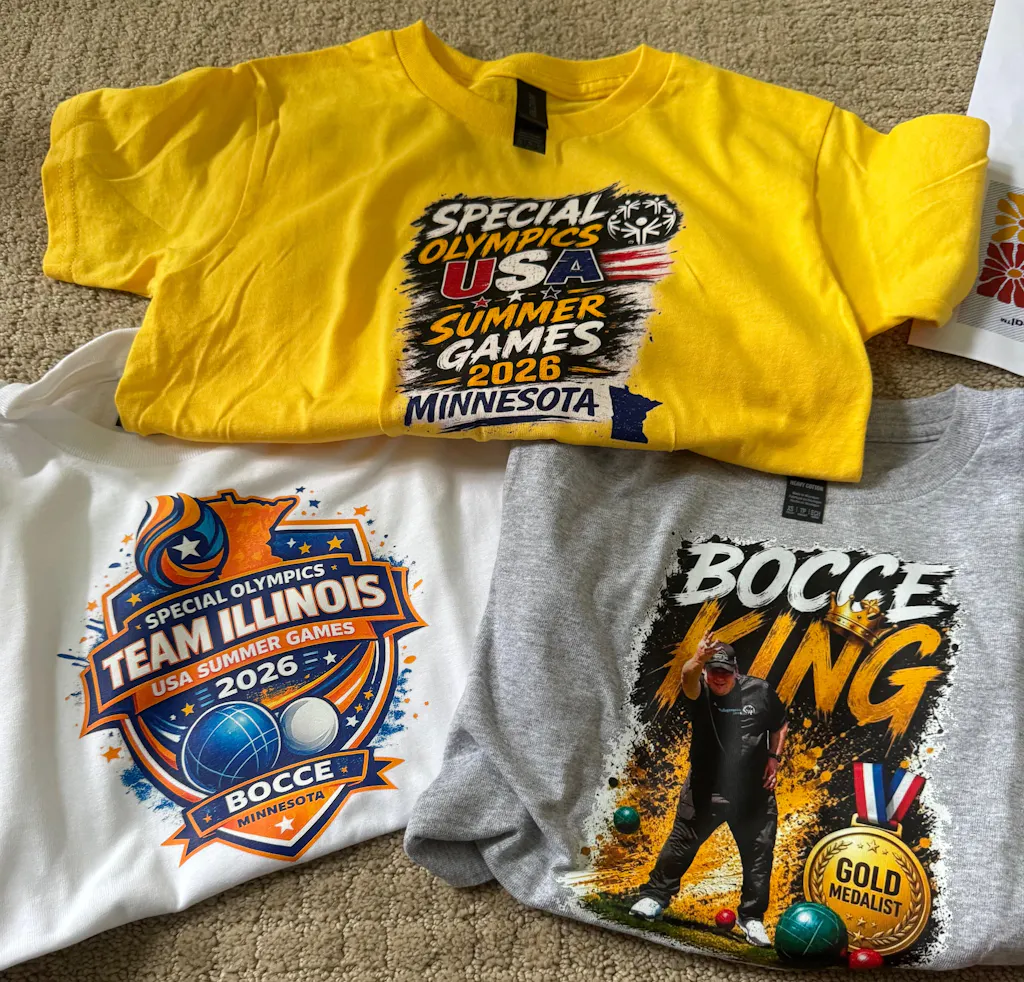
Direct-to-film printing, or DTF, has become a go-to method for creating custom apparel and more. At the heart of this process is DTF transfer paper, a special material that lets you print vibrant designs and transfer them onto fabrics like t-shirts, hoodies, or even non-fabric items. If you're wondering what is DTF transfer paper used for, it's mainly for making high-quality, durable prints that stick well to various surfaces without much hassle. Unlike traditional screen printing, DTF uses ink printed on a film, coated with adhesive powder, and then heat-pressed onto your item.
DTF transfer paper comes in sheets or rolls, like a DTF transfer paper roll, and is designed to work with standard inkjet printers modified for DTF. The process is straightforward: print your design, apply DTF powder adhesive, cure it, and press it on. This makes it popular for small businesses and hobbyists. But like any printing method, it has its ups and downs.
In this article, we'll explore the pros and cons of DTF printing to help you decide if it's right for you. We'll cover quality, cost, ease of use, and more, keeping things simple so anyone can follow along.
What Makes DTF Transfer Paper Special?
Before jumping into the good and bad, let's cover how DTF transfer paper works. You start with a design on your computer. Print it onto the DTF transfer film, often called paper or sheets, using special DTF inks. These inks are pigment-based for bright colors. Next, sprinkle DTF powder adhesive over the wet ink, shake off the excess, and cure it with heat to make it sticky. Finally, place the film on your shirt and use a heat press for a few seconds. Peel off the film, and your design is transferred.
This is different from other methods. For example, the difference between DTF and sublimation paper is, sublimation works best on polyester and light colors, turning ink into gas to dye the fabric. DTF, on the other hand, sits on top of the material, so it works on cotton, dark fabrics, and wood or leather. DTF transfer sheets are versatile, but choosing the right type matters. Options include DTF hot peel vs cold peel paper, hot peel means you remove the film while warm for a matte finish, cold peel for glossy.
If you're buying DTF transfers, look for the best DTF transfer paper that's compatible with your printer. DTF transfer sheets ready to press are pre-printed and easy for beginners. Now, let's look at the benefits.
The Pros of Using DTF Transfer Paper

One major plus is versatility. DTF transfer paper lets you print on almost anything porous, like 100% cotton, polyester blends, dark or light fabrics, without pre-treating the material. This beats direct-to-garment (DTG) printing, which needs special sprays for cotton. You can use it on shoes, bags, or skateboards, spots that are hard to reach with other methods. For small runs, this flexibility saves time and opens up more product ideas.
Another big win is speed. The direct-to-film printing process cuts down production time. No need for multiple screens like in screen printing or long drying times. With a good heat press, application takes just 5-10 seconds. This is great for custom orders, where you might make custom DTF transfer pieces quickly. Plus, it's cost-effective. For example, printing 20 shirts with DTF might cost around $3 per print, way less than screen printing's $13 or more. You save on inks, labor, and utilities since there's no big setup.
Quality is another strong point. Is DTF printing good quality? Yes, for detailed designs. It handles unlimited colors and fine details without extra cost. The prints are elastic, so they stretch with the fabric and don't crack or peel easily. DTF printing durability is solid; they wash well and last longer than some DTG prints, making them ideal for everyday wear like t-shirts.
Inventory management gets easier, too. With DTF transfer gang sheets, you can print multiple designs on one sheet, cutting waste. Store small transfers instead of bulky blank shirts, and apply them as needed. This reduces stock and lets you offer more variety without tying up money. For tricky designs or hard spots, DTF shines because the transfer can curve around edges.
Overall, these pros make DTF transfer custom work appealing for startups or anyone wanting vibrant, tough prints without a huge investment.
Also Read: DTF Print Sizes for Shirts: Small, Medium, Large & Oversized Options
The Cons of Using DTF Transfer Paper
No method is perfect, and DTF has its drawbacks. One common issue is breathability. The prints can feel thick and rubbery at first, less soft than DTG or sublimation. They soften after a few washes, but they're not as breathable, which might bother people in hot weather. Technology is improving, but for now, it's a trade-off for that durability.
Heat sensitivity is another. If you iron the print too hot later, colors might fade or turn yellowish, especially whites. Always wash inside out and avoid high-heat dryers to keep it looking good.
Color accuracy can be tricky, too. Sometimes, the final print doesn't match your screen exactly. This happens if files aren't saved correctly, like using PNG with the wrong color profile. Experienced printers fix this with color charts, but beginners might face trial and error. Common issues with DTF transfer paper include banding or poor texture if your setup isn't top-notch.
Setup and skill matter a lot. DTF printer setup requires modifying a printer with DTF inks and software, which costs upfront. Desktop models are okay for small jobs, but slow and lower quality than industrial ones. You need practice to avoid DTF paper printing mistakes to avoid, like uneven powder or over-curing. If you're new, it might not be making DTF transfers worth it right away due to the learning curve.
Cost can add up for materials. DTF transfer sheets aren't affordable, and you need good quality to avoid failures. Is DTF transfer paper reusable? No, it's single-use, so waste happens if prints go wrong. Compared to vinyl, DTF might feel more complex for simple jobs.
Finally, while durable, how long will a DTF print last? It can handle 50+ washes if done right, but heavy use or poor application shortens that. What are the disadvantages of heat transfer paper in general? They can feel plasticky and limit fabric choices somewhat, though DTF is better than older types.
Tips for Success with DTF Transfer Paper

To get the most out of DTF transfer paper, choose wisely. How to choose good-quality DTF transfer sheets? Look for ones with even coating and good ink absorption. Which DTF paper is best for t-shirts? Cold peel for shiny finishes, hot for matte. Test on scraps first.
For sizes, check a DTF transfer size guide to fit your design right; too big, and it might not adhere well. If outsourcing, find a reliable DTF printing service for DTF transfer printing materials.
Summary
DTF transfer paper offers a flexible, cost-saving way to create custom prints with great detail and staying power. The pros, like versatility and quick turnaround, often outweigh the cons, such as feel and setup needs for many users. If you're ready to try, consider the DTF transfer paper benefits and drawbacks based on your projects.
For high-quality DTF transfer sheets and expert help, head to DTFIL today—your source for reliable materials and tips to get started right. Shop now and bring your designs to life!
FAQs
Q. What is a DTF transfer?
DTF transfer is a printing method where designs are printed on a special film, coated with adhesive powder, cured, and then heat-pressed onto fabric or other surfaces for a durable, vibrant result.
Q. How to make a DTF transfer?
Start by printing your design on DTF film with special inks. Apply adhesive powder, cure it with heat, place it on your item, and press with a heat press for 5-10 seconds. Peel off the film to reveal the transfer.
Q. What does DTF transfer mean?
DTF stands for Direct to Film, a process for transferring printed designs from film to materials like shirts using heat and pressure, known for working on various fabrics without pre-treatment.
Q. How to use DTF transfer film?
Print your design on the film, add powder adhesive, cure, align on the fabric, heat press briefly, and peel. Use a hot or cold peel based on the film type for different finishes.
Q. What are the downsides of DTF?
Downsides include less breathable prints that feel thick, potential color fading with high heat, setup costs, and a learning curve for best results.
Q. Is making DTF transfers worth it?
Yes, for custom work or small runs due to low costs and versatility, but it depends on your volume. Worth it if you value detailed, durable prints over softness.
Q. What are the disadvantages of heat transfer paper?
Disadvantages include a plasticky feel, limited breathability, heat sensitivity causing fading, single-use nature leading to waste, and the need for skill to avoid poor adhesion or colors.
Q. How long will a DTF print last?
A well-made DTF print can last 50+ washes with proper care, like washing inside out in cold water and avoiding high-heat drying, making it durable for everyday use.
Read more related blogs. How to Remove Print from T-shirt?