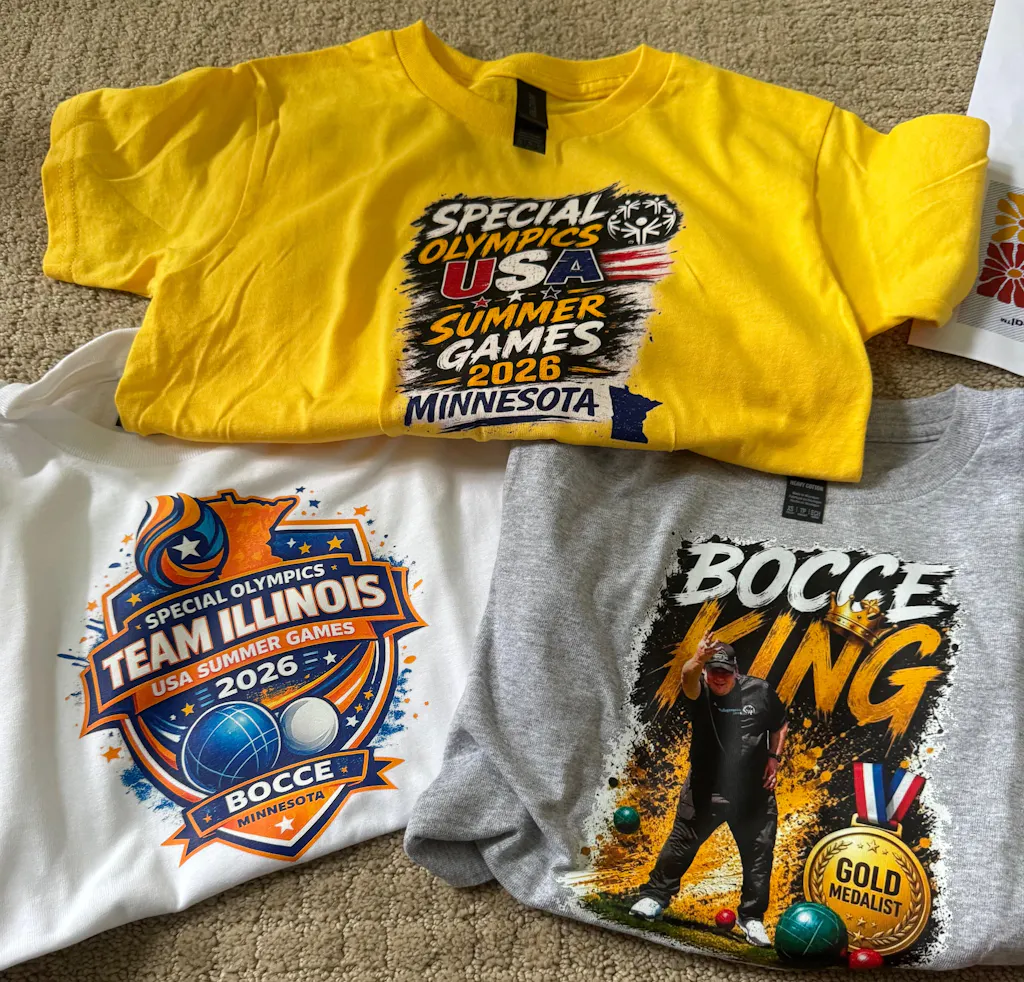
The right method of printing is among the most crucial choices for any custom t-shirt printing company. The method you choose to print will affect the quality of your product, the cost of production as well as the time to turnaround, flexibility of design and the level of customer satisfaction. If you select the wrong approach you could face costly setup as well as slow production, bad prints, or a lack of design choices.
There are a variety of methods of printing t-shirts that are available, such as screening printing DTG printing, sublimation vinyl, sublimation along with DTF transfer printing. Each has its own advantages and weaknesses, however for many contemporary apparel companies, DTF printing for business t-shirts has emerged as among the more efficient and flexible alternatives.
With the advanced DTF printing technology businesses can design vivid intricate, durable, and detailed designs for personalized clothing. It doesn't matter if you're creating a clothing line or running an online printer, selling your products online or managing large order, DTF printing can help create t-shirts that are professional and have greater flexibility.
This guide will explain how to pick the most appropriate printing technique for your business's t-shirt as well as the reasons the reason DTF is growing in popularity in addition to how it compares to other printing alternatives.
Why Choosing the Right T-Shirt Printing Method Matters
The optimal method of printing t-shirts is dependent on your business objectives. A new clothing line might require a low-cost small-batch printing. Print shops with a large size could require rapid bulk production. Print-on-demand stores may require the flexibility. Fashion brands might be concerned the most about print detail quality, softness, and quality of the color.
Your printing method affects:
-
Print quality
-
Production costs
-
Time to set up
-
Order flexibility
-
Fabric compatibility
-
Design detail
-
Customer experience
-
Profit margins
If you are growing your clothing printing company the best method can help you speed up your work reduce waste and give you more options. A wrong approach can hinder your creative potential and make production more difficult.
This is the reason choosing the right the best method for printing on t-shirts is a crucial issue for anyone involved in the business of customizing apparel.
Why DTF Printing Is Best for T-Shirt Businesses
Many business owners wonder what the reason DTF printing is ideal for businesses that sell t-shirts. The answer lies in the flexibility. DTF printing lets you create detailed designs without large quantities of order. This is beneficial for startups, small-sized businesses, clothing companies selling online, as well as printing shops that specialize in custom prints.
Some major DTF printing benefits include:
-
Work for bulk and small orders.
-
Supports full-color designs
-
Good for detailed artwork
-
Work on all kinds of fabric
-
Screen printing requires a lower setup than screen printing
-
Great for custom orders
-
Ideal for printing-on demand production
-
Ideal graphic designs, logos and texts.
If you're in the market for the customized business of printing clothing, DTF gives you the flexibility to take on various types of orders. It is possible to print one shirt, a smaller batch or a bigger run without modifying the entire process.
DTF Printing vs Screen Printing for Custom Apparel
When you are comparing DTF and screen printing it is crucial to comprehend how both methods function.
Screen printing can be described as a common method in which ink is pushed through the screen onto the fabric. It's great for orders that have basic designs and limited colors. Screen printing generally requires a setup for each color, which makes smaller orders more costly.
DTF printing is distinct. It doesn't need separate screen for every design. This makes it ideal for smaller batches, custom artwork high-quality graphics or multi-color patterns.
If you are considering DTF printing and screen printing for personalized clothing, DTF is often more flexible when you require the flexibility, speedy setup, and appealing designs. Screen printing is an option for big orders using basic artwork, however DTF is generally more practical for custom t-shirt makers and emerging brands.
If your company is involved in numerous designs, custom orders, or shorter run, DTF might be the best option.
DTF vs DTG: Choosing Between DTF and DTG Printing
Another popular contrast is selecting among DTF or DTG printing. DTG is a shorthand for Direct to Garment printing. In DTG printing, it is printing directly on the fabric.
DTG can create delicate prints and intricate designs particularly on cotton fabrics. It is however, typically best on certain types of fabrics and might require some pretreatment. It is also more sensitive to the quality of the garment and the fabric's content.
DTF printing provides more fabric flexibility. Because it prints the image on film first, and then transferred, it will work effectively on polyester, cotton blends, as well as other fabrics.
Businesses that require a variety of printing solutions for their business DTF is typically simpler to manage across different kinds of clothing. DTG could be a suitable choice for some items however DTF provides a variety of businesses with t-shirts greater flexibility.
Best Printing Method for Small T-Shirt Businesses
The ideal printing method for small-sized t-shirt companies is the one that keeps the cost of starting in check and permits the flexibility of production. Smaller companies often require print diverse patterns in smaller amounts. They might not wish to keep large amounts of stock or incur high setup costs.
This is the reason inexpensive DTF printing for clothing startup companies is a great solution. DTF lets brands test designs, make small drops, make customized orders or print as needed, without making huge production runs.
For smaller companies This flexibility is important for small brands. You can try out which designs are successful before committing to greater quantities. You could also provide more options without putting yourself at risk.
If you're looking to get lean and then grow gradually, DTF can be a viable option.
Print on Demand T-Shirts printing with DTF
Print-on-demand printing on t-shirts has gained popularity because it lets businesses sell products without having large quantities of stock. With DTF printers, sellers of print-on-demand can make customized shirts only after customers purchase their products.
This cuts down on waste and reduces the initial cost. Instead of printing a lot of shirts without having an idea of what's going to sell You can print the designs on demand.
DTF is ideal for printing on demand since it supports:
-
One-off orders
-
Personalized designs
-
Full-color graphics
-
Small production in small batches
-
Multiple garment styles
-
Fast design testing
For online shops and sellers of custom apparel this is what makes DTF flexible and cost-effective T-shirt printing option.
High-Quality Apparel Printing Using DTF
Customers are looking for top quality clothing that will last. Quality printing on apparel is essential for repeat customers as well as good reviews and a solid brand recognition.
DTF printing can deliver crisp details, vivid colors and long-lasting results when done properly. A well-designed artwork layout, a proper size of the transfer, proper setting of the heat press, and top quality materials can all influence the final product.
For professional printing of t-shirts, DTF can handle different kinds of designs including logos large, bold graphics, tiny details and full-color artwork. This makes it a good choice for fashion companies as well as sports teams, companies as well as schools, events and promotional clothing.
A well-designed print can make your product to feel more valued. A higher quality print can also lead to the price and increase confidence in your customers.
While DTF can be useful for smaller batches, it may also be an DTF print solution to large-scale t-shirt orders. The bulk orders could include event shirts, uniforms and school clothing, company products as well as brand-specific collections.
To produce large quantities, DTF can help maintain the sameness across sizes and styles of clothing. Transfers can be made in advance, arranged by the design and size, and press effectively.
This allows DTF beneficial for companies which require both flexibility and quantity. You can manage small custom orders throughout the week, and continue to produce bulk orders as needed.
For an apparel printing company the balance could be extremely helpful.
Custom T-Shirt Printing Methods Explained
In the event of the printing techniques for custom-designed t-shirts described below is an easy breakdown:
Screen printing is ideal for large orders, with basic designs and less colors. It's durable and economical in large quantities, however it can be costly for smaller orders.
Printing with DTG is great for detailed designs on cotton clothing. The print is directly on fabric, but it may require preparation and might not be equally effective for all types of fabrics.
Sublimation works great on fabrics made of polyester and lighter colors. It's ideal for all-over prints however it is limited for dark and cotton fabrics.
Printing on vinyl can be useful for numbers, names, and basic designs. However, it might not be suitable for full-color, detailed artwork.
DTF printing allows for a wide range of flexibility in various fabrics, vibrant designs, tiny batches and even custom orders. This is the reason why many companies believe it is the most effective printing technique for custom-designed t-shirts..
Benefits of DTF Printing for Apparel Businesses
The advantages from DTF printing for apparel companies are more than just printing quality. DTF will help you manage your orders as well as test designs and provide customers with the best service.
It lets you offer greater customization options with no set-up costs. It gives you the capability to print precise logos and graphics. It is able to handle small as well as large orders. It can also work across various kinds of garments, which can help to expand your catalog of products.
For business owners who own t-shirts, these advantages can result in:
-
More design flexibility
-
Faster order fulfillment
-
Smaller batches are less risky
-
Better custom order handling
-
More variety of products
-
Improved customer satisfaction
-
Stronger profit potential
These are the primary reasons DTF is becoming more popular in the market for custom-made apparel.
T-Shirt Printing Business Tips for Better Results
If you're hoping to get greater results with DTF adhere to a few useful T-shirt printing tips for business.
Always make sure to use high-resolution images. Poor quality files can result in blurry prints. Then, make sure you check the size prior to printing. If your design is either too large or small may cause the shirt to look unprofessional. Third, make sure you test your designs before you accept large orders. This allows you to check the color, layout, feel and the durability.
Also, keep your product catalog simple at first. Include the colors of t-shirts sizes, prints, and color options you're able to manage. As your company grows it is possible to add additional designs and services.
Then, you must focus on consistency. Customers expect the garment they receive to match the one they purchased. Clear mockups, precise measurement, and strict quality control are crucial.
How to Choose the Right Printing Method for Your T-Shirt Business
When choosing the best method consider the nature of your order, budget, style of design and the business model.
Do you ask yourself:
-
Can I print small-sized orders or large orders?
-
Do I need full-color designs?
-
Do I have the ability to offer personalised T-shirts?
-
What materials can I use to print?
-
How much set-up cost is it possible to manage to
-
Do I require a quick turnaround?
-
Do I sell fashion clothing uniforms, merch, or other fashion items?
If you require the flexibility of a flexible design, detailed artwork and smaller order quantities, DTF may be the most suitable option. If you print only large quantities of basic designs, then screen printing might be a good option. If you print mostly on cotton and prefer the most comfortable and soft touch, DTG may also be worth a look.
However, for many contemporary T-shirt manufacturers, DTF offers the strongest combination of speed, quality and flex.
Final Thoughts
The right printing technique will determine the future for the customized t-shirt print company. The correct method can help you save money, increase the quality of your product, and provide superior customer service.
For many start-ups, small companies, print shops and expanding apparel businesses, DTF printing for business t-shirts is an effective and flexible choice. It can be used for vibrant designs, customized orders, smaller batches, large orders as well as different kinds of clothing.
Although every technique has its merits, DTF stands out as an cost-effective t-shirt printing method for businesses who want versatility without sacrificing quality.
If you're building your own manufacturing business for apparel and are interested in learning about DTF, DTF will help you design better products, service more customers, and expand confidently.
FAQs
What is the most efficient way to print t-shirts for smaller firms?
The most effective method of printing t-shirts for small-scale businesses is based on the quantity of orders and the design requirements. DTF printing is typically an excellent choice since it is able to handle small quantities and full-color designs, as well as custom orders, as well as a variety of different styles of clothing.
What makes DTF printing a good option for a business selling t-shirts?
DTF printing is a good option for a business selling t-shirts since it allows for flexibility, superior print quality, minimal setup requirements, as well as the ability to handle bulk and custom orders. It's a great option for start-ups printing shops, print shops, as well as clothing companies.
What's the distinction in DTF as well as screen printing?
DTF printing makes use of transfer prints printed on film that are press them onto clothing. Screen printing employs screens for applying ink directly on fabric. Screen printing is ideal for bulky orders however, DTF is more suitable for vivid intricate, smaller, and less detailed custom orders.
Are DTF printing superior to DTG printing?
DTF printing is more effective than DTG for businesses that require greater flexibility in their fabric. DTG can be used on cotton, however it might require pretreatment. DTF is able to work on polyester, cotton blends, as well as other types of clothes.
Could DTF printing also be utilized to create bulk orders of t-shirts?
It is true that DTF printing is utilized for large-scale t-shirt orders. Transfers can be created and printed efficiently which makes DTF ideal for uniforms, events, merchandise, and custom garment production.
Are DTF printing cost-effective for new clothing companies?
Absolutely, DTF printing is affordable for clothing companies that are just starting out due to its small-scale production, design tests customized orders, and print-on-demand printing without the high set-up costs.
What kind of designs are best suited to DTF printing?
DTF can be used in logos, graphics with full color rich artwork with bold designs for text, promotional shirts, event shirts and clothing for fashion. It's a versatile option for a variety of specific t-shirt printing needs.
What is the most appropriate printing technique for my t-shirt company?
Decide based on your order's size, the material type, design details budget, and your business model. If you require versatility, vibrant prints and small-batch production DTF printing is an excellent option.