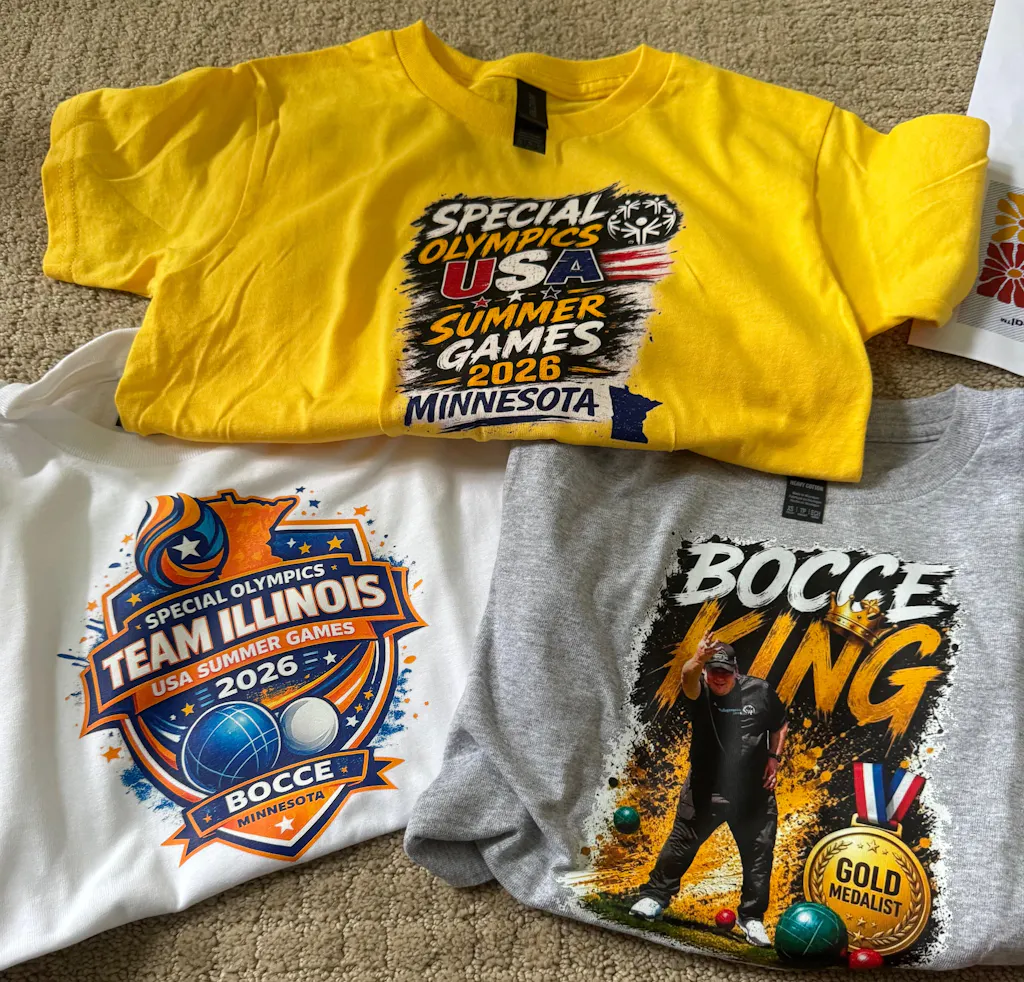
Getting a design to sit just right on a shirt can make or break your custom apparel. A DTF transfer placement that’s off by even half an inch looks amateur. This complete DTF placement guide shows you exactly where to press every print, front, back, pocket, sleeve, or hoodie. Follow the measurements, use the simple tools, and every shirt will look store-bought.
Why DTF Transfer Placement Matters?
Direct-to-Film (DTF) prints stick anywhere fabric takes heat. That freedom also means mistakes show fast. A logo too high rides the neck. Too low, it flops over the belly. The right DTF transfer sizes for shirts, plus proven heat transfer placement guide rules, give every garment balance and polish.
Standard DTF Print Sizes for Shirts
|
Garment Area |
Youth |
Adult S–M |
Adult L–XL |
Adult 2XL+ |
|
Full Chest |
8×8 |
10×10 |
11×11 |
12×12 |
|
Left Chest |
3×3 |
4×4 |
4×4 |
4.5×4.5 |
|
Full Back |
8×10 |
10×12 |
11×14 |
12×16 |
|
Sleeve |
2×8 |
3×10 |
3×12 |
3.5×14 |
Match the DTF print size for shirts to the wearer’s build. A 12-inch chest print on a small frame looks like a billboard.
Tools You Need for Perfect DTF Transfer Placement
-
Clear acrylic T-square or DTF transfer placement chart
-
Tailor’s chalk or heat-erasable pen
-
Laser level (optional but fast)
-
Folding the shirt in half to find the center
Keep a printed t-shirt design placement ruler taped inside your press area.
Step-by-Step DTF Transfer Placement Guide

Step 1: Prep the Garment
Wash and dry without fabric softener. Iron flat. Lay the shirt face-up on the lower platen.
Step 2: Find the Center with the Fold Method
Fold the shirt's side seams together. Press the crease with your hand. Unfold. The crease is your vertical center line.
Step 3: Mark Collar Distance – DTF Print Distance from Collar
-
Adult chest print: 2.5–3 inches below the collar seam.
-
Youth chest print: 1.5–2 inches below the collar.
-
Women’s V-neck: Add 0.5 inch lower to avoid the V point.
Use the T-square along the collar to draw a faint horizontal chalk line.
Step 4: Center the Transfer
Place the DTF film face down. Align the middle of the design with the vertical crease. The top edge of the design should kiss the chalk line you just drew.
Step 5: Double-Check with DTF Alignment Measurements
Measure from the bottom of the design to the shirt hem. Adult full-chest prints finish 4–5 inches above the hem. Adjust up or down before pressing.
Step 6: Heat Press
Cover with parchment. Press at 300 °F for 15 seconds, medium pressure. Peel cool.
DTF Transfer Placement for Every Spot
Front Chest – Classic Logo Placement on T-Shirts
-
Where: 2.5–3 inches below the collar, dead center.
-
Size: 3.5–4 inches wide for pocket-style; 10–11 inches wide for full chest.
-
Pro tip: On crew necks, stay 1 inch above the armpit seam.
Left Chest – Logo on Pocket Shirt Size
-
Where: 4 inches from the center crease toward the left sleeve, 1.5 inches below the collar.
-
Size: 3.5–4 inches square.
-
Visual: The logo should sit where a real pocket top would end.
Full Back – Where to Place Image on Back of Shirt
-
Where: Top edge 3–4 inches below collar; bottom edge 5–6 inches above hem.
-
Size: 10–12 inches wide, 12–16 inches tall.
-
Center: Fold side-to-side and top-to-bottom to mark an X.
Sleeves – DTF Print Placement for Front, Back, and Sleeves
-
Where: 2–3 inches below the shoulder seam, parallel to the hem.
-
Size: 3 inches wide, 10–12 inches long.
-
Rotate: Turn the sleeve so the design runs from wrist to shoulder.
Hoodies – DTF Printing Alignment for Hoodies and T-Shirts
-
Chest: Same as shirts, but add 0.5 inch lower because hoodies stretch.
-
Pocket area: 1 inch above the kangaroo pocket edge.
-
Back: Same as shirt, but check hood drawstrings don’t cover the top.
Tank Tops – Tank Top Logo Placement Guide
-
Where: 2 inches below the neckline, centered.
-
Size: 8–9 inches wide max to avoid armhole edges.
DTF Transfer Centering Techniques That Never Fail
-
Laser Line: Stick a cheap laser level on the press; the red line is centered.
-
T-Ruler: Acrylic rulers with shirt outlines printed on them, line up the collar and shoulders.
-
Masking Tape Grid: Tape vertical and horizontal lines on the lower platen; reuse for every job.
-
Fold and Pinch: Pinch the shoulder seams together to find the true top center.
DTF Placement Mistakes to Avoid
-
Placing too high → logo climbs the neck when worn.
-
Ignoring stretch → cotton tees grow 1 inch after wash; leave buffer.
-
Uneven pressure → one side lifts. Use a pillow for thick seams.
-
Forgetting side seams → curved seams pull prints off-center.
Quick DTF Transfer Size Guide Cheat Sheet
|
Area |
Distance from Collar |
Width |
Height |
|
Adult Chest |
2.5–3 in |
10–11 |
10–11 |
|
Youth Chest |
1.5–2 in |
8 |
8 |
|
Left Chest |
1.5 in down, 4 in left |
4 |
4 |
|
Full Back Top |
3–4 in |
11 |
14 |
Print this table and pin it above your press.
Positional Printing for Special Cases
Oversized Prints
Drop the design 1 inch lower and widen to 13–14 inches. Test on a sample—too big looks costume-like.
Crop Tops
Center the print 1 inch below the bust line. Measure the wearer, not the table.
Baby Onesies
1–1.5 inches below neck ribbing; max 5×5 inches.
How to Measure for DTF Transfer Placement Without Fancy Tools

-
Fold shirt in half vertically → crease = center.
-
Measure from the bottom of the collar to the crease → note number.
-
Subtract desired distance (e.g., 3 inches).
-
Mark with chalk. Done.
Best Way to Align DTF Designs on Garments
-
Pre-press the shirt 3 seconds to remove moisture.
-
Use heat-resistant tape to hold the film in place.
-
Press in two stages: 5 seconds tack, lift, reposition if needed, then full 15 seconds.
Final Thoughts
Mastering DTF transfer placement is as easy as folding, marking, and pressing. Keep the cheat sheet handy, practice on scrap shirts, and every transfer will land exactly where it belongs.
Ready to print perfect shirts today? Visit DTFIL and grab their free DTF transfer placement chart download. Line it up, press, and watch your customers smile.
FAQs
Q: How far down should a DTF transfer be placed?
Adult chest: 2.5–3 inches below the collar seam. Youth: 1.5–2 inches. Left chest: 1.5 inches down, 4 inches from the center.
Q: What are common heat transfer paper mistakes?
Pressing too hot (above 320 °F), peeling hot, not pre-pressing moisture, and off-center placement.
Q: What are the best settings for DTF transfers?
300 °F, 15 seconds, medium pressure (40–50 PSI), cool peel.
Q: Can you overlap DTF transfers?
Yes, but press the bottom layer fully first, then the top at 280 °F for 10 seconds to avoid melting.
Q: What is a DTF transfer?
A full-color print on clear film with white ink underbase and adhesive powder, ready to heat-press onto any fabric.
Q: How to make a DTF transfer?
Design → print on film with DTF printer → powder → cure → cut → press onto garment.
Also, read more related blogs: 
Types of T-Shirt Printing: Pros, Cons & Best Use Cases Explained